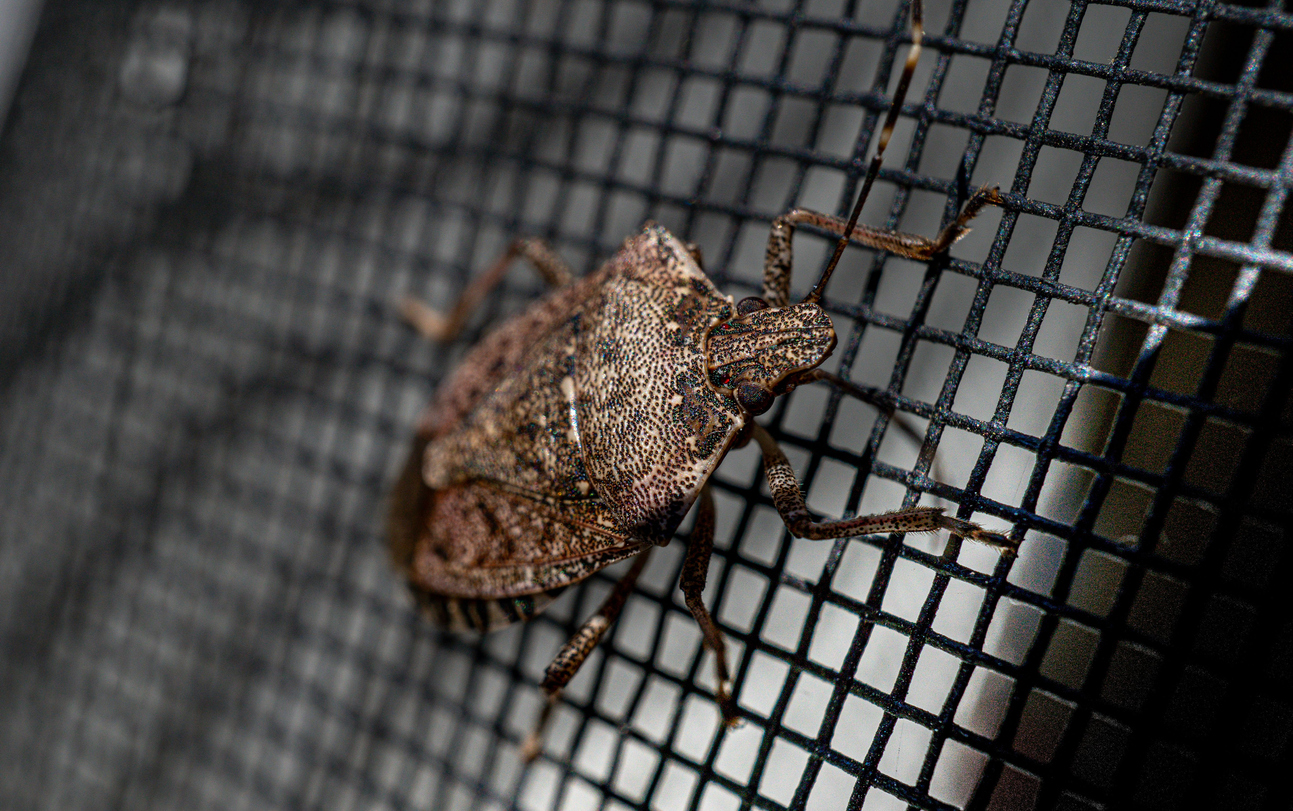
Oftentimes, an infestation of wood-loving insects isn’t discovered until it’s too late. The structural damage is already done, and sometimes, it’s hard to determine the extent of the destruction — and what kind of bug caused it. The two most common culprits: termites and carpenter ants.
With warm weather right around the corner, you can get ahead of wood-eating pests by learning to spot and treat them early. Here’s how to tell the difference between ants and termites to make an accurate infestation game plan.

Take a Deeper Look
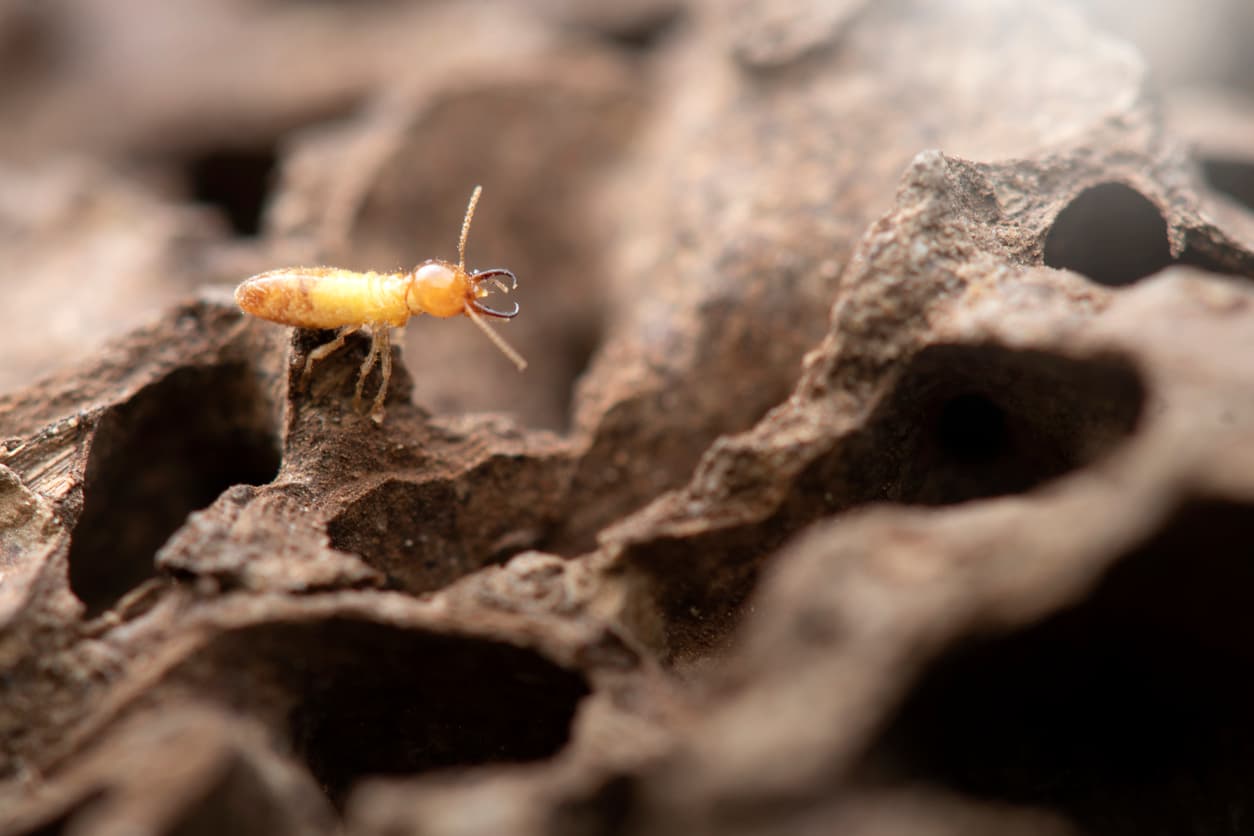
If you see these pests crawling around your home, you can determine which is which quickly by looking a little bit closer. Carpenter ants are larger than termites and have three distinct body segments: the head, thorax, and abdomen. They’ll be brown, reddish, or black, while termites are white or cream. A termite’s thorax and abdomen look combined, making their bodies seem to have only two segments. All termites have wings, but only some species of carpenter ants have them.
Termites will also have much larger colonies. While carpenter ants usually max out at 10,000, termites could have up to 100,000. But let’s be honest — once your pest count is up to the thousands, you’ll want to call us either way.

Know The Clues
Though both pests are known for building their nests in wood, there are some significant distinctions between them. Termites create large nests out of chewed wood and other bits of material. They also eat the wood, allowing them to chew through it quickly. Nests that are in a home look like clumps of dirt and you may see small pinholes the size of a mustard seed throughout, but their major tell are the wood tunnels they create to move around within the nest.
Carpenter ants usually chew through soft, damp wood — most often wood that is already damaged by water, fungus or other insects. They build slower than termites as they don’t eat the wood and will leave piles of wood shavings behind them. It may take you longer to discover their nests as most of the time they’re within your walls, but little piles of sawdust are often left as clues around your baseboards.

Be Wary of Their Defenses
Both termites and carpenter ants have unique defense mechanisms — they can even explode as a form of self-preservation. Some carpenter ants induce a chemical reaction within their bodies, causing them to burst and spread the toxic substance over their surroundings. Meanwhile, some species have large mandibles that can launch a sticky glue at potential threats.
Termites are generally more defenseless than carpenter ants, as their mandibles are small and don’t affect humans. Some species, though, have soldiers that shoot toxins from their horns!

Inspect the Damage
These two pests can cause significant structural damage to a home, though there are some differences between the damage that could help you identify which is the perpetrator.
Since termites consume wood, there may not be obvious signs of damage on the surface. Look for hollow sounds when tapping the wood, uneven or bubbling paint surfaces, or frass, a form of wood waste that can look like sawdust. Since carpenter ants don’t eat the wood, look for small holes in the wood with piles of sawdust around them.
Both pests could have swarmers — winged members that fly in groups. Discarded wings or small, flying pests around your walls could signify a reproducing colony.
Don’t Let The Pests Win
Wood-chewing monsters may seem like an insurmountable opponent, but all you need is a personalized pest control plan (and a happy-to-help team). Give us a call if you think you have a carpenter ant or termite infestation.